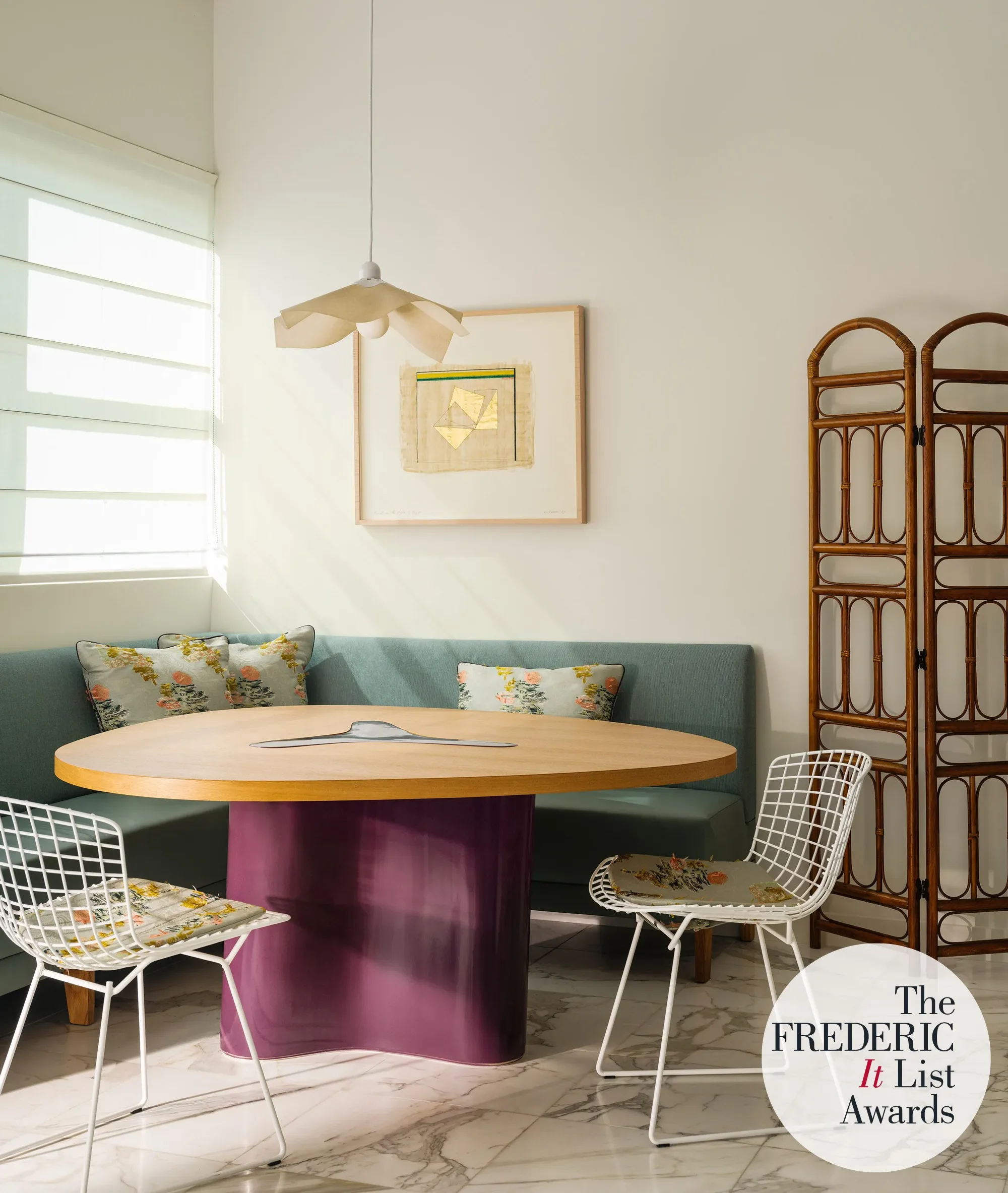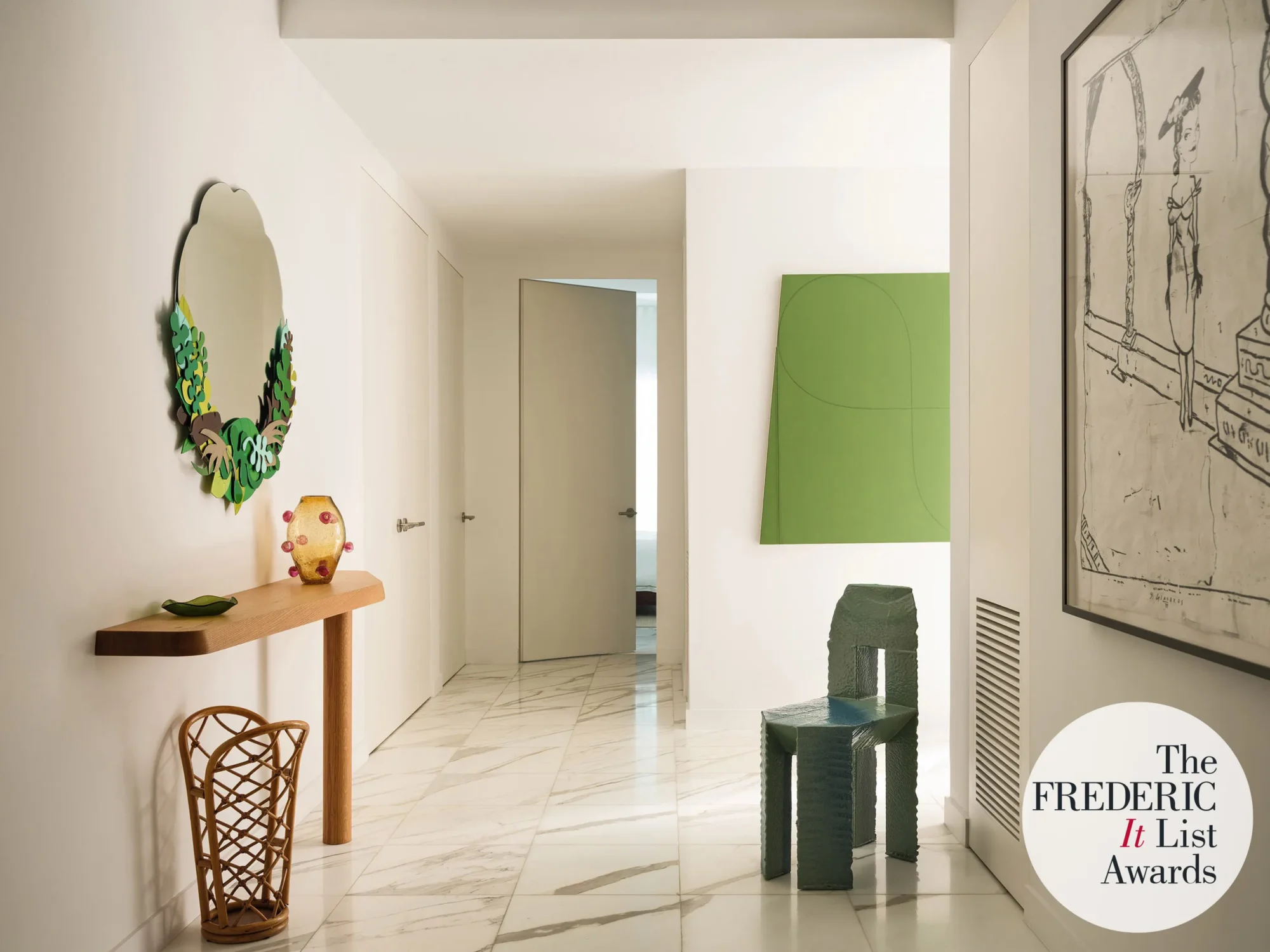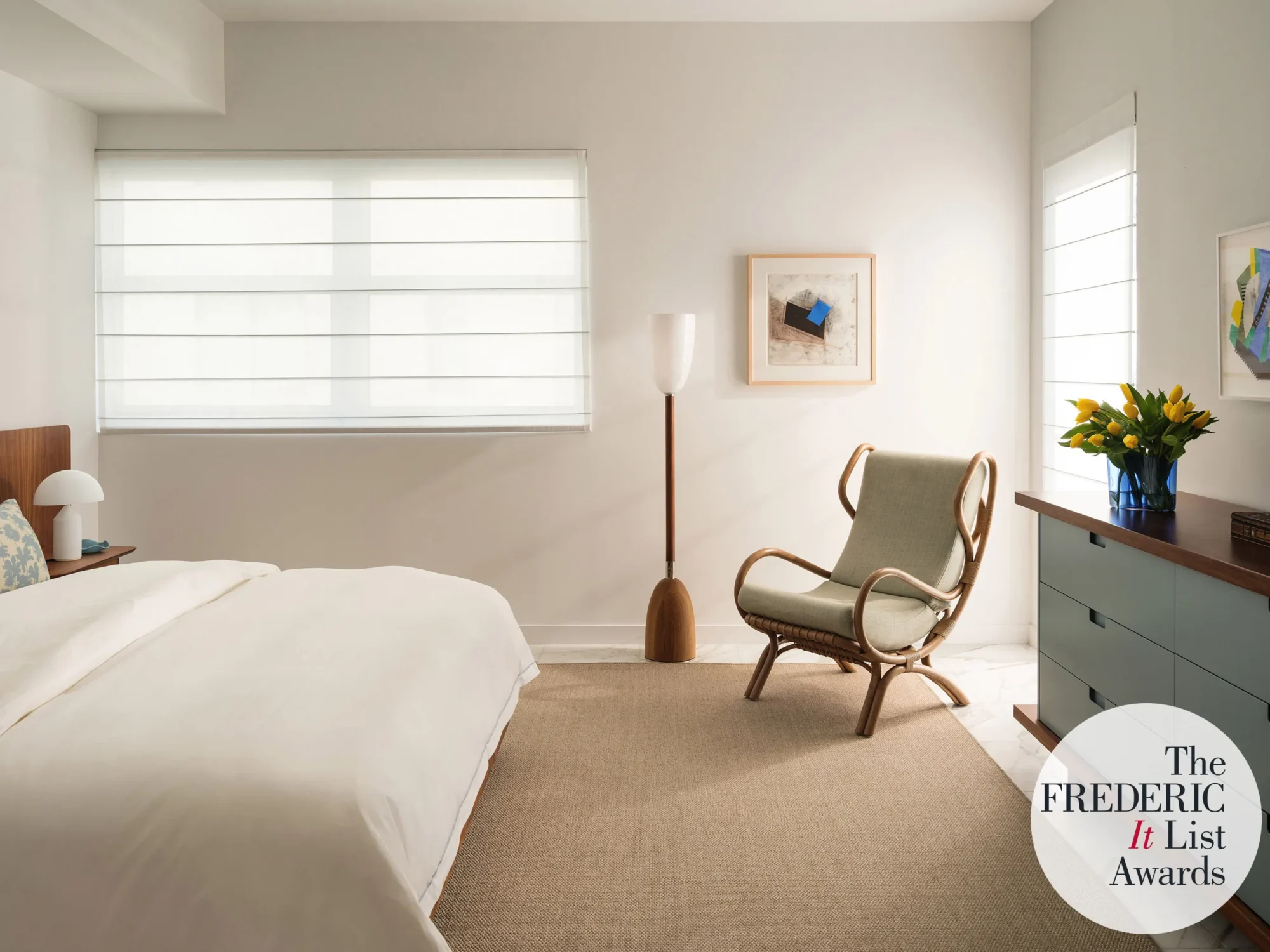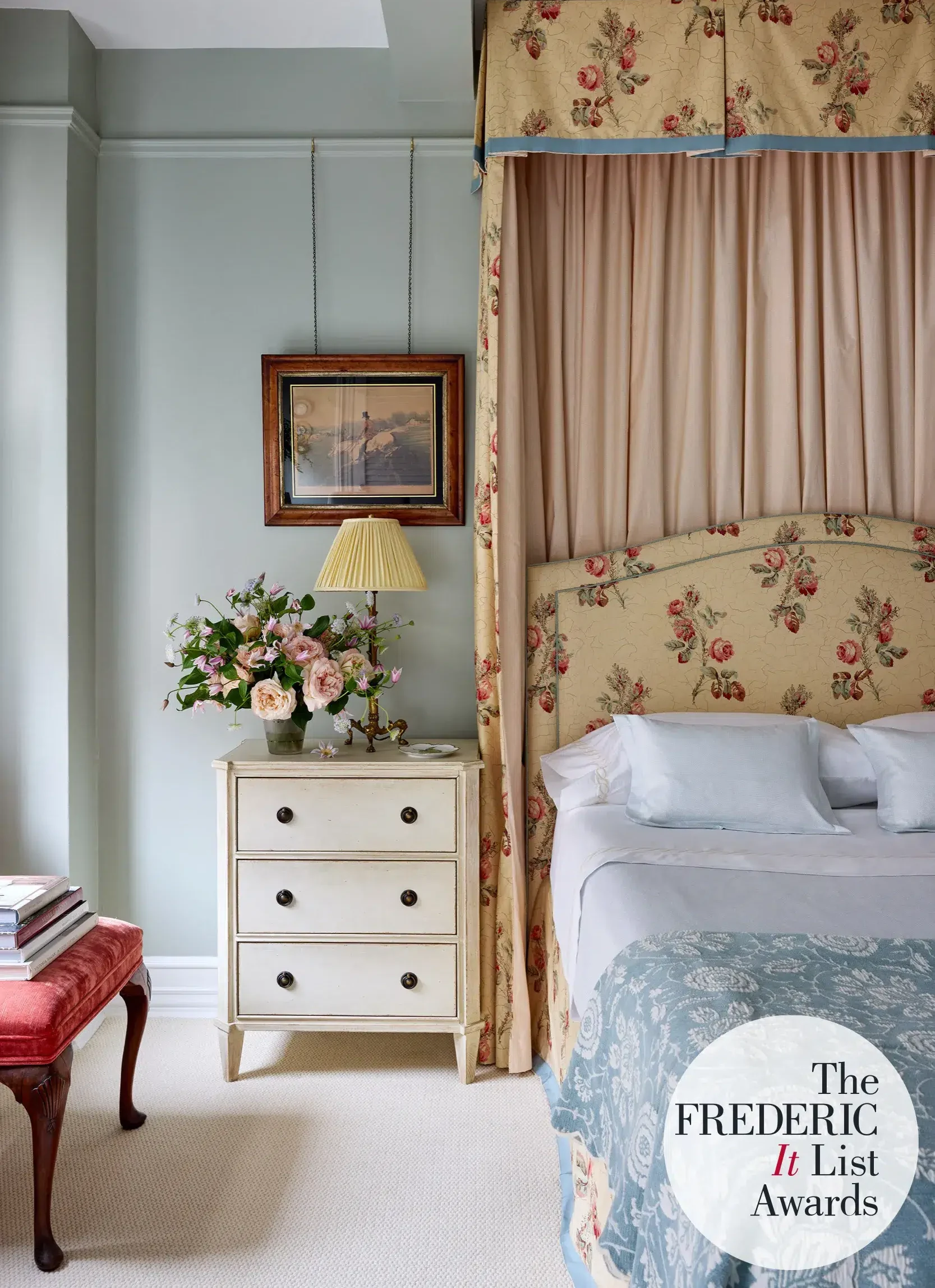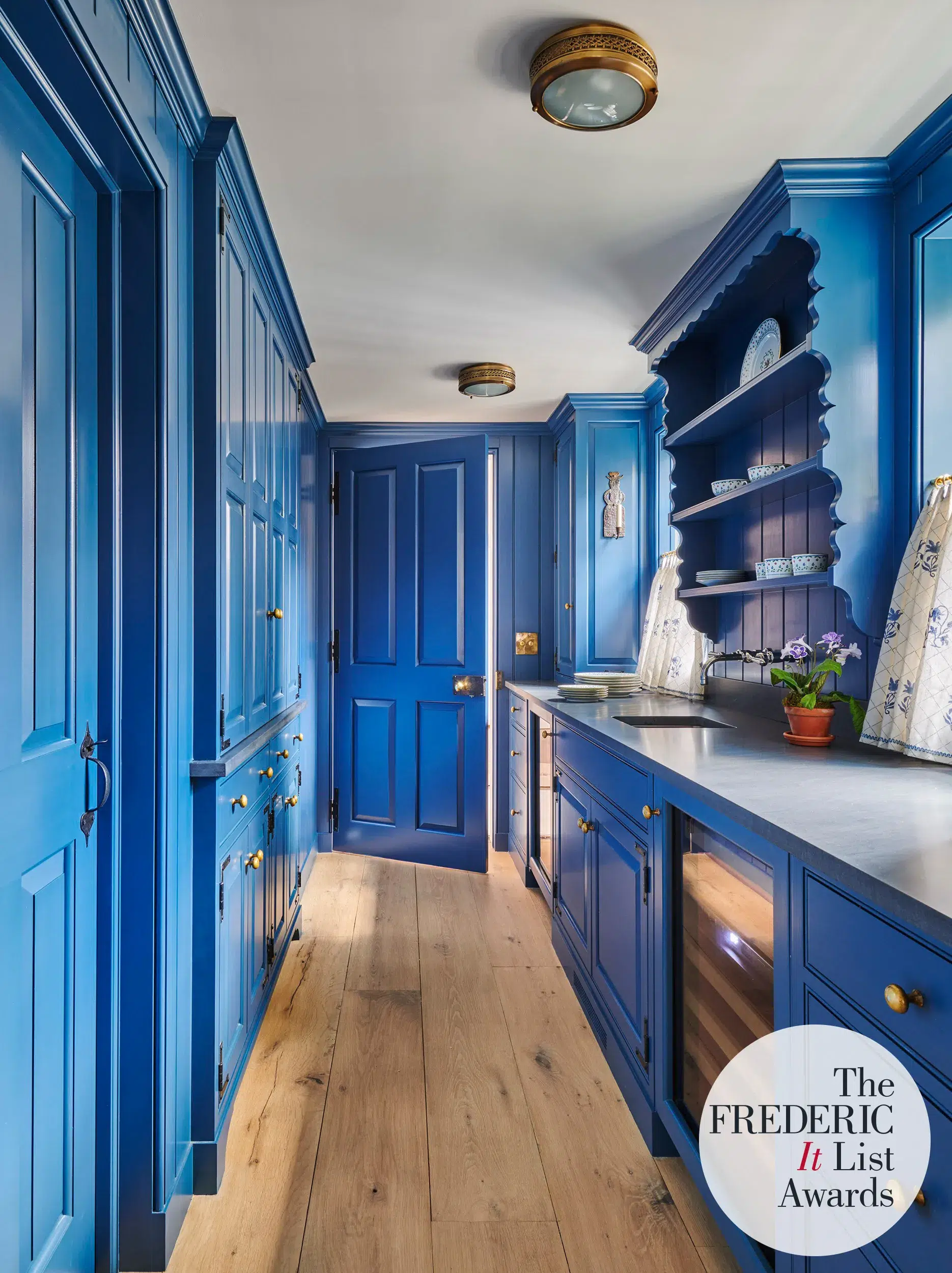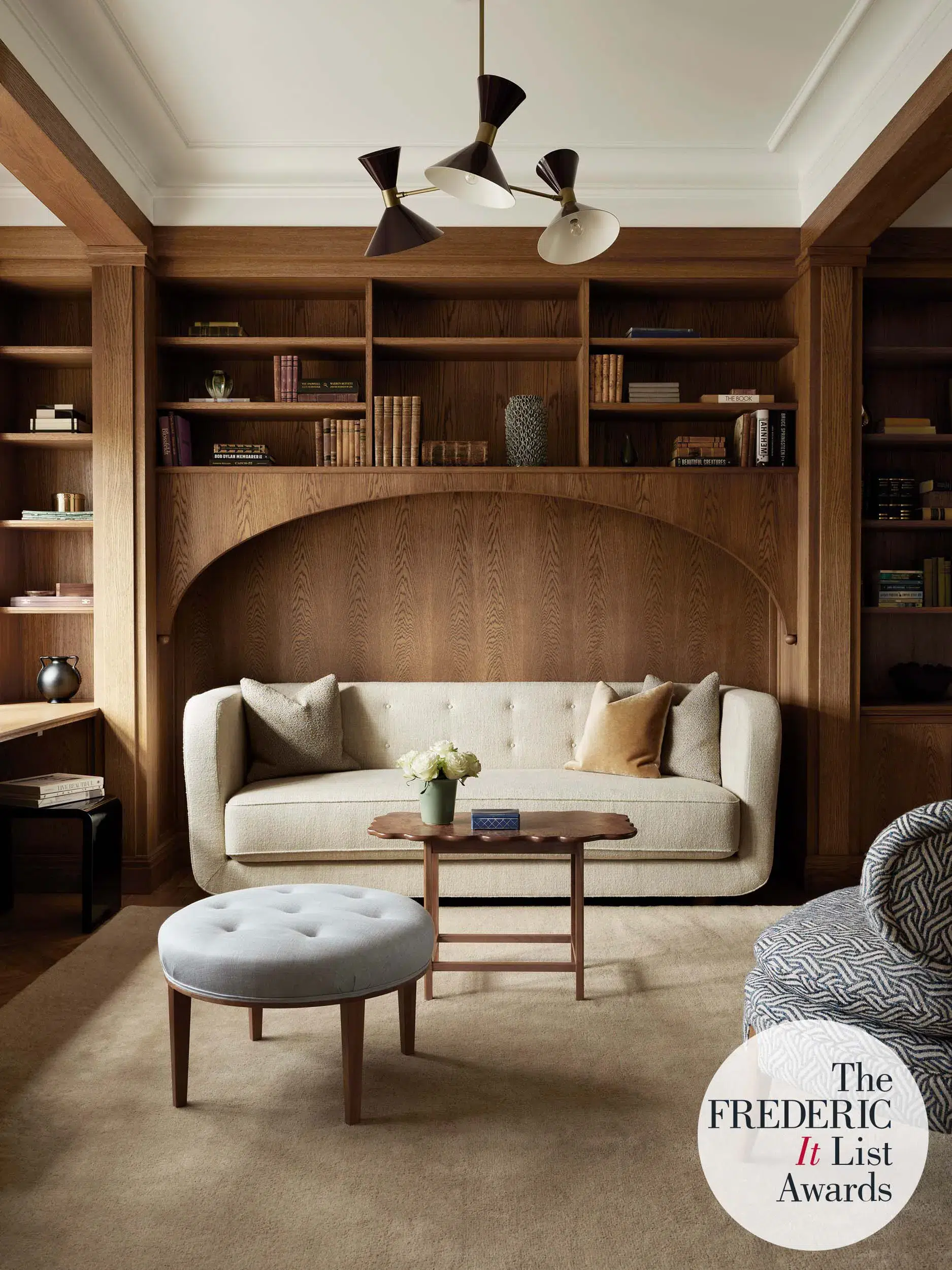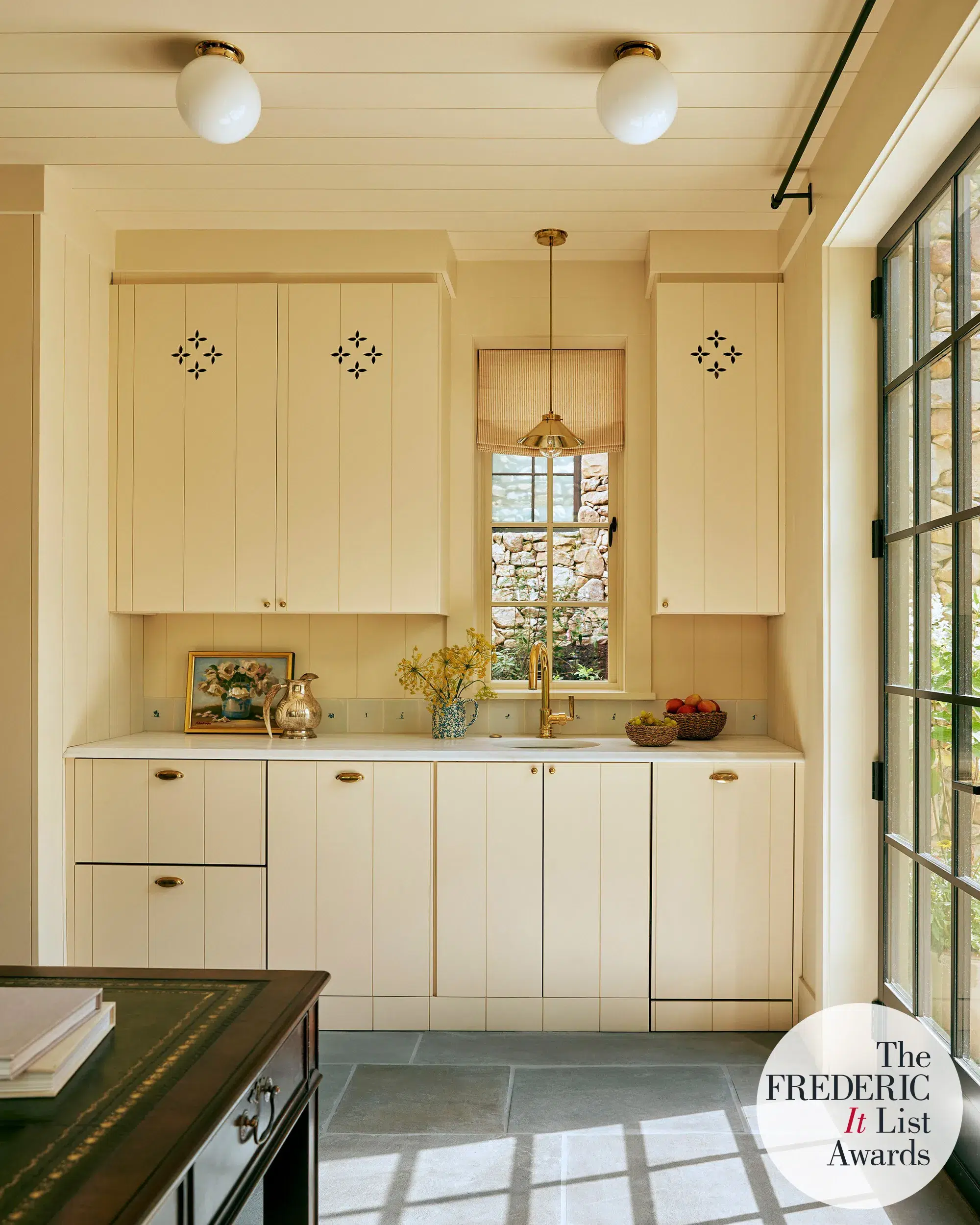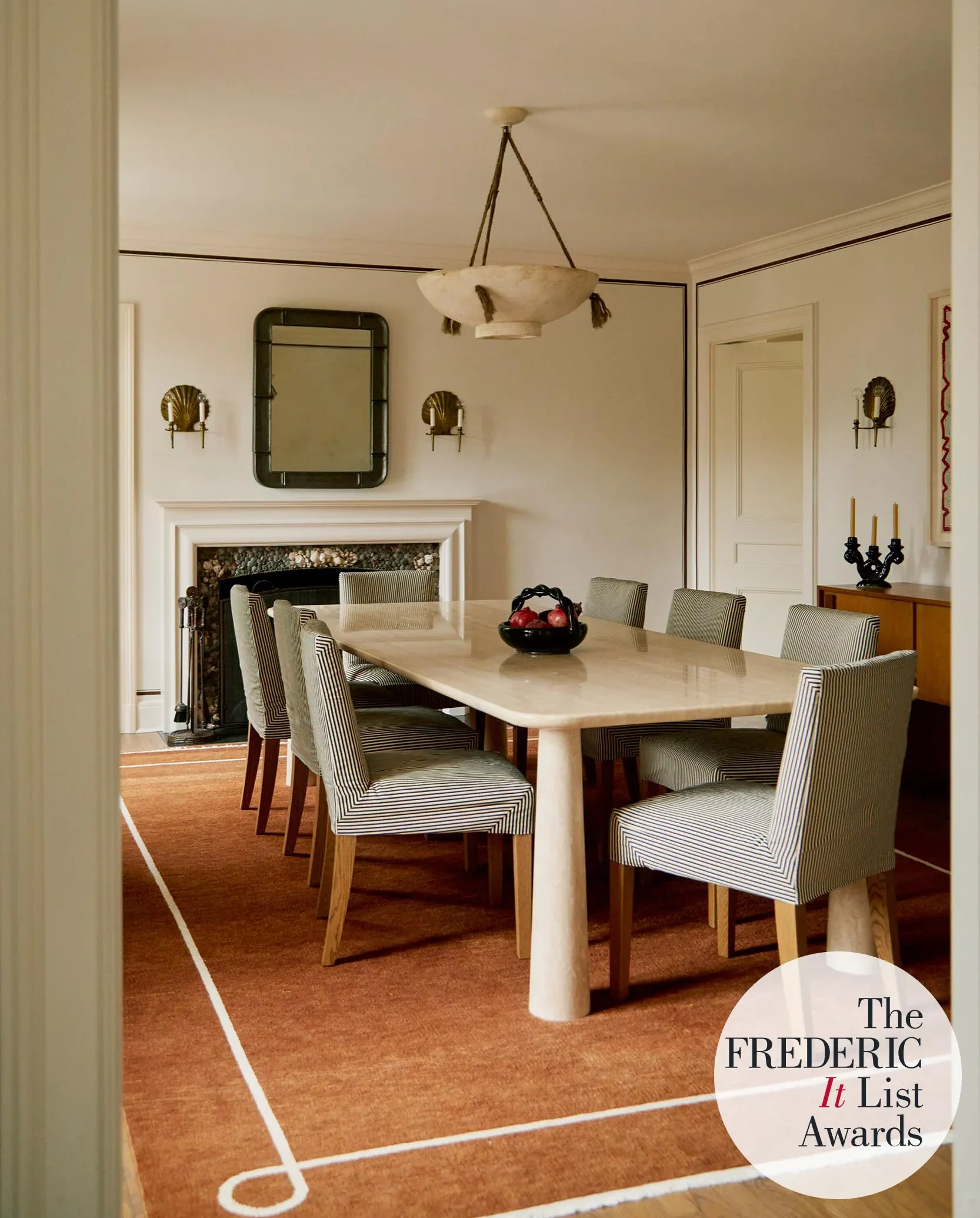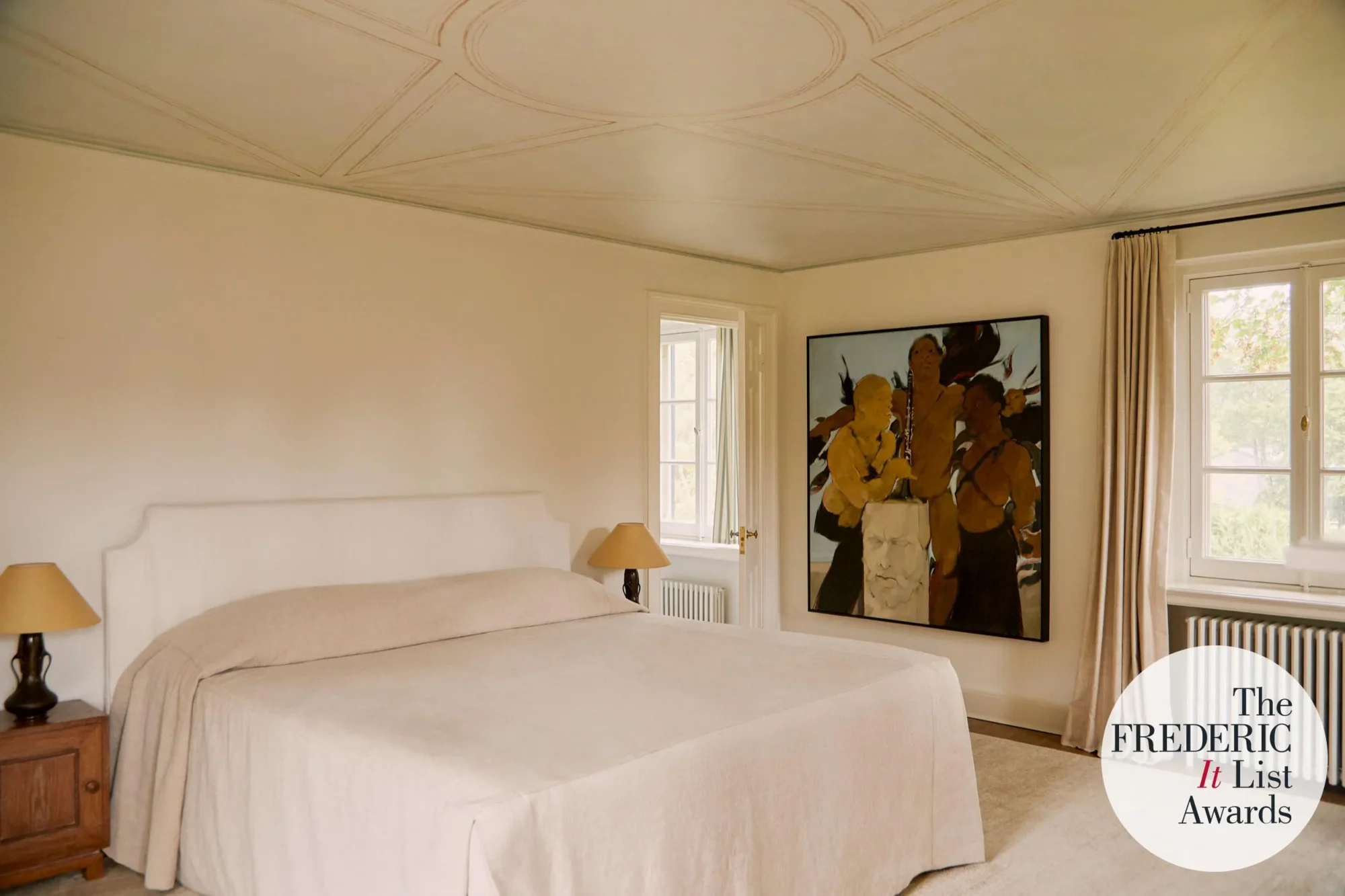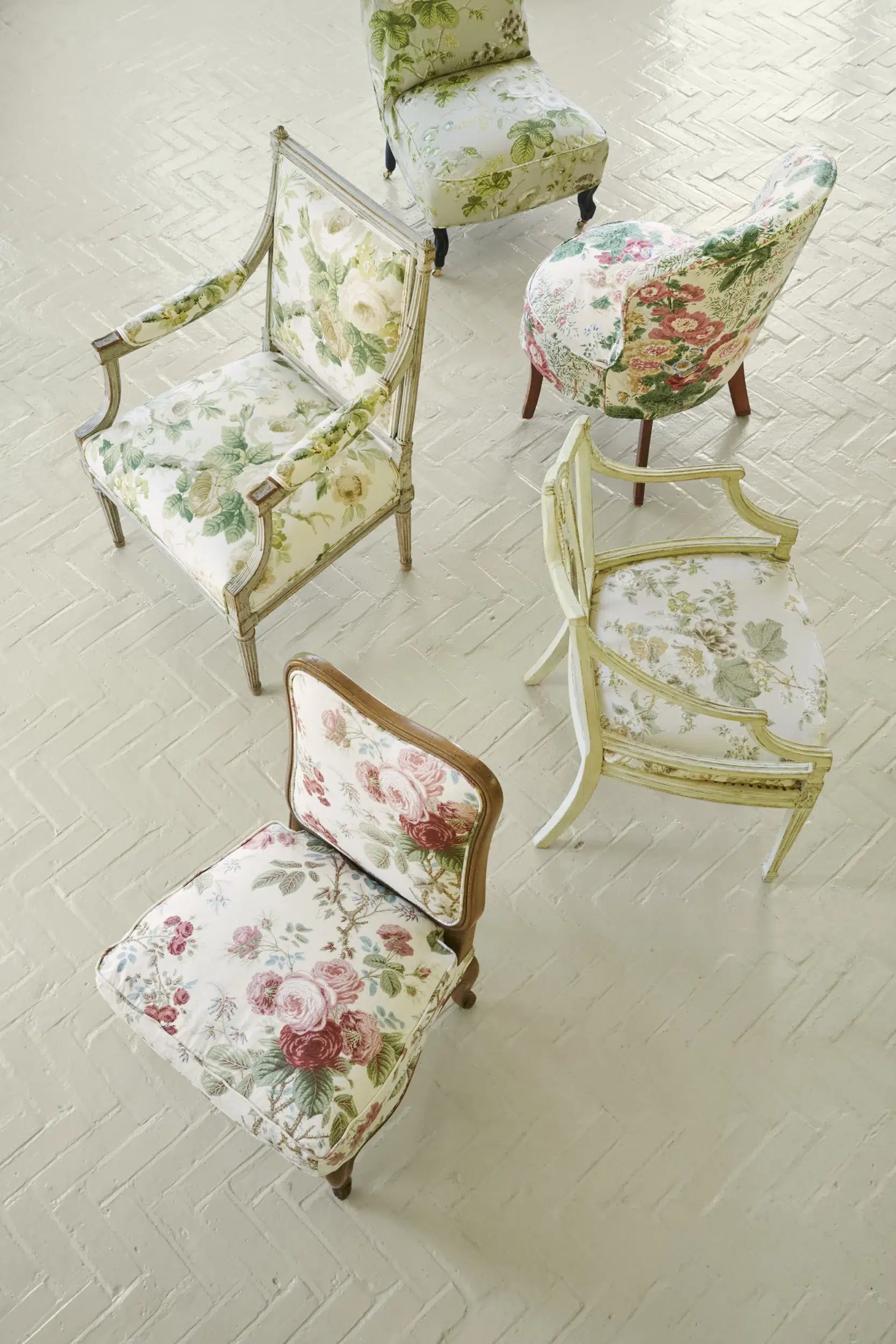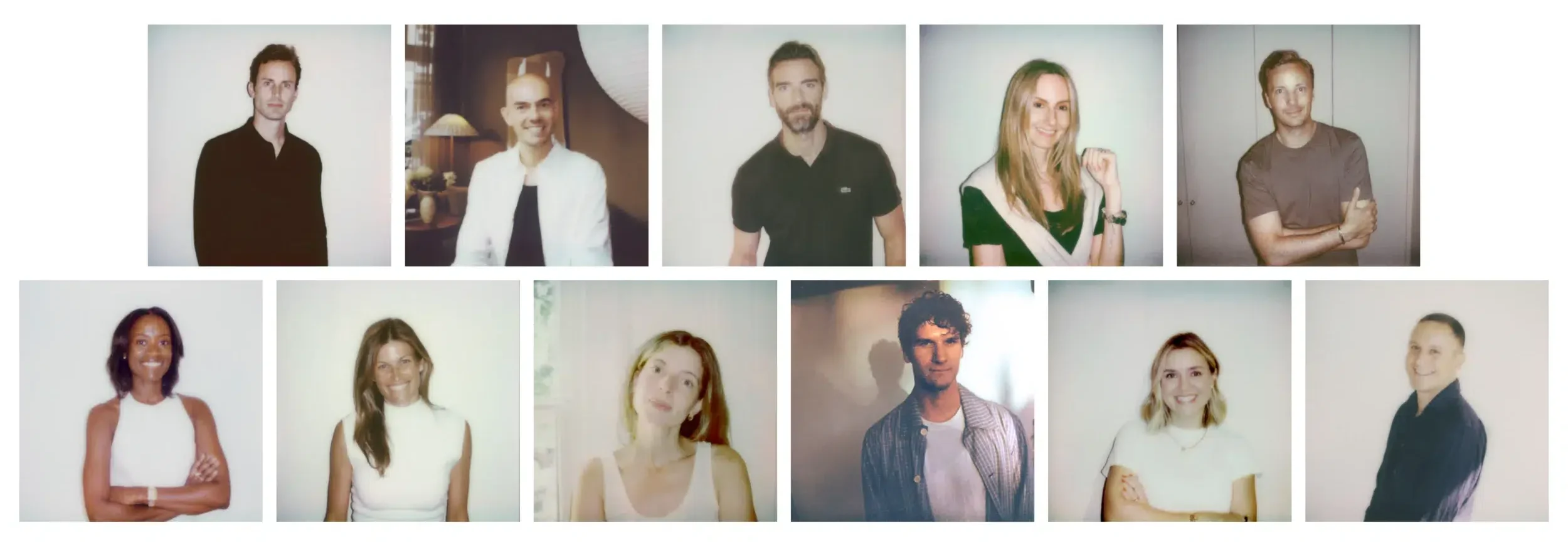

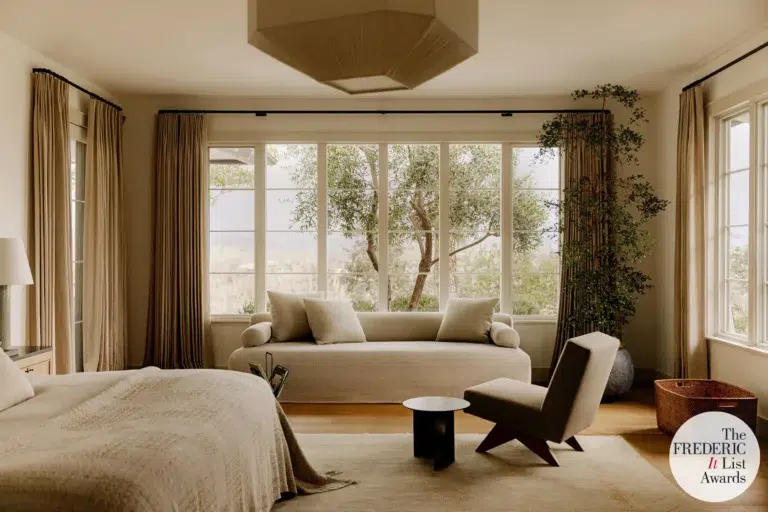
What does the future of design look like? If the 11 rising stars on this year’s FREDERIC It List have any say in the matter, the outlook is bright. Hailing from Atlanta to Amsterdam, Los Angeles to London, these talented individuals have honed their own unique sensibilities—and they’re using them to create stunning spaces that have both substance and style.
ALEX YANKE
SAN DIEGO
“Growing up, I didn’t have many creative role models pursuing careers in the arts,” recalls Alex Yanke. “Design was a field I admired from afar, but I never considered it as a legitimate job.” After stints at a tech startup and real estate firm proved unfulfilling, Yanke took a leap of faith and started an internship with a small design firm in Los Angeles. Jobs with designer Vanessa Alexander and a residential development firm followed, and in 2020, he opened Westbourne Studio in San Diego, creating spaces that range from a spare Manhattan apartment to a seaside Tudor in La Jolla. Says Yanke, “Our projects can vary stylistically, but they’re connected by a common sensibility: restraint, warmth, and a balance between refinement and ease.”
-
ERIC PETSCHEK -
Alex Zarour -
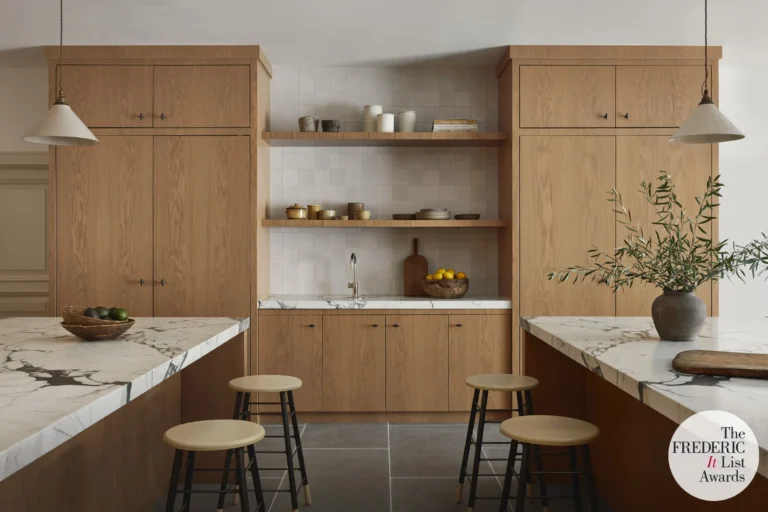
Eric Petschek
WHAT’s the best career advice you’ve received? No one is coming to hand you permission. That idea has stayed with me throughout my career. Most of the opportunities that shaped my path happened because I was willing to take a risk before I felt fully qualified. The other lesson is to avoid comparing your beginning to someone else’s middle. Design is full of people whose careers appear effortless from the outside. What you don’t see are the years of uncertainty, mistakes, and persistence that got them there.
What’S A DESIGN RULE YOU LIKE TO BREAK? Symmetry. I’m instinctively drawn to order and balance, but over time, I’ve learned that the most compelling spaces rarely feel overly resolved. Those moments of imbalance tend to create greater movement, character, and authenticity.
WHAT’S THE LAST THING YOU BOUGHT FOR YOUR HOME? A vintage curved sofa by Vladimir Kagan upholstered in a deep rust-colored mohair. It’s arguably the boldest piece in my otherwise muted palette. What drew me to it was its duality—it feels almost sculptural as an object, yet incredibly inviting as a place to sit. Without fail, guests gravitate toward it first, which I think is one of the hallmarks of great design.
BOB VAN ZONNEVELD
AMSTERDAM
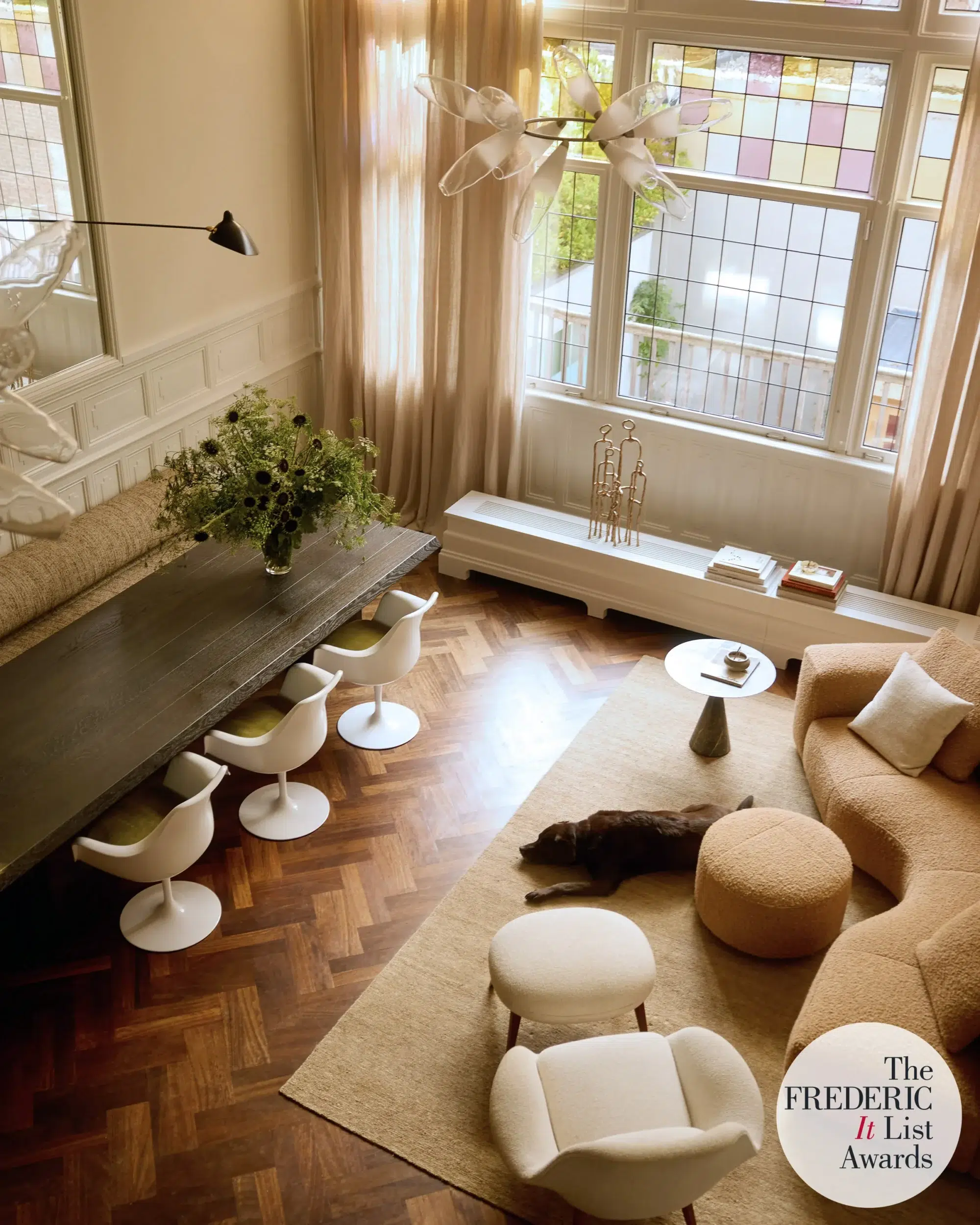
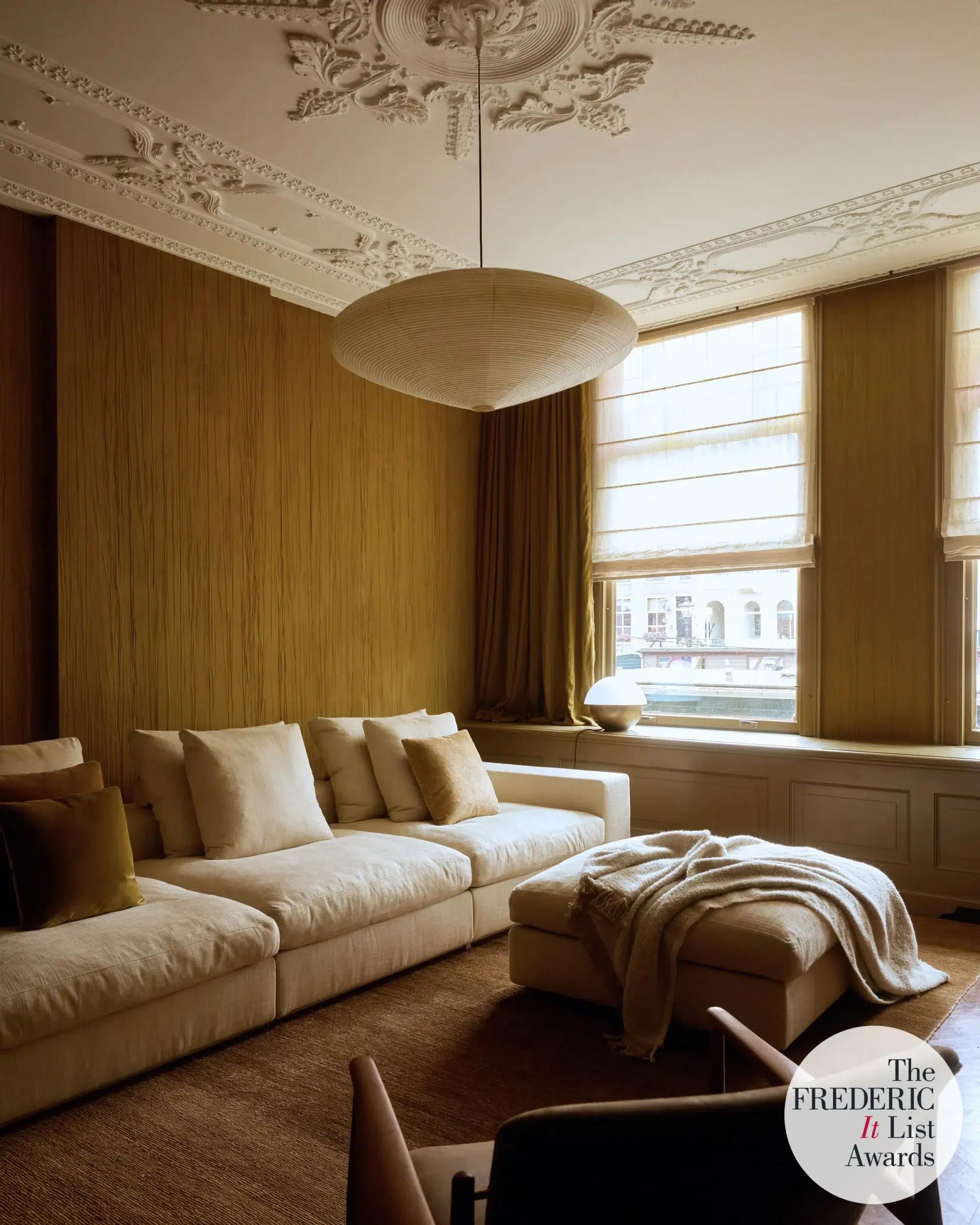
When Dutch designer Bob van Zonneveld was growing up, he asked his parents if he could replace their wooden flooring with concrete. His dad replied, jokingly, “Anything is possible”—and by the time he returned home, his son had already ripped up the floor. After that auspicious beginning, van Zonneveld honed his design talents at esteemed boutiques such as Co van der Horst and Mobilia before starting his own interiors practice. “Warm, layered, and deeply personal” is how he describes his style. “I love the richness that comes from texture, craftsmanship, and thoughtful detailing rather than relying on excessive decoration.” A recent dream project—a monumental canal house in Amsterdam—led him on sourcing trips through India, Milan, New York, and Antwerp with his client to unearth one-of-a-kind textiles, antiques, and contemporary lighting. Next up? His own first home.
-
DANIËLLE SIOBHÁN -
DANIËLLE SIOBHÁN -
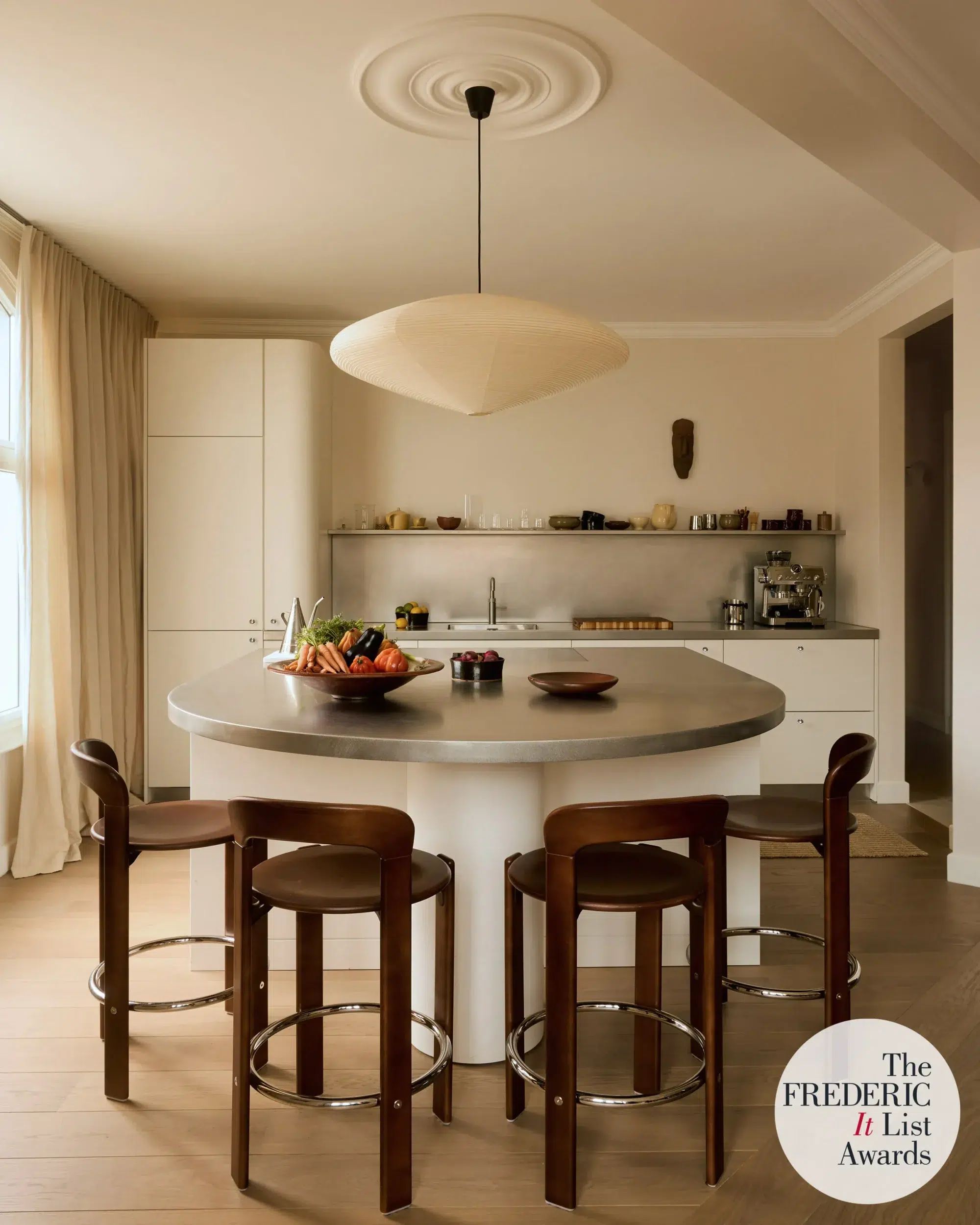
DANIËLLE SIOBHÁN

HOW WOULD YOU DESCRIBE YOUR STYLE? While it is rooted in contemporary design, I am always looking for ways to bring soul, history, and character into a space. I am drawn to natural materials that age beautifully over time—wood, stone, linen, wool, and metals that develop a patina. Ultimately, my style is less about a specific aesthetic and more about creating homes that feel authentic, lived-in, and deeply connected to the people who inhabit them.
What’s your dream project? A boutique hotel. A hotel is the ultimate opportunity to create an entire world and experience—from the architecture and interiors to the scent, music, materials, and the way guests feel from the moment they arrive. I love the idea of designing a place that people travel to, connect with, and remember long after they’ve left.
HOW DO YOU DEFINE LUXURY? Luxury lives in comfort, craftsmanship, natural materials, beautiful light, and the freedom to truly be yourself in your own home. It’s the feeling of calm, warmth, and belonging.
BRIAN JONES
NEW YORK CITY
Brian Jones was studying architecture in college when a stint with a Washington, D.C., decorator turned his head toward furniture and interior design. After a move to New York, he received a stellar on-the-job education with the likes of James Huniford, Neal Beckstedt, and Ashe Leandro. “I was anxious to see my own name on the door, but my good friend Billy Cotton told me to wait and to feel good about it. It was the best advice,” he recalls. By the time he finally did open his firm last year, “I’d accumulated enough experience to actually have something to say on my own.” Today, his favorite projects are ones that are “historically informed rather than stylistically specific,” he says. “I want to create spaces that are classic but not nostalgic.”
-
JOE KRAMM -
JOE KRAMM -
JOE KRAMM

WHERE DO YOU FIND INSPIRATION? My go-to is my book collection. Whether it’s Mario Buatta, Alan Buchsbaum or Ward Bennett…I always have a book open. I love learning from the greats of the past. I’d also be lying if I didn’t also say that I am in bed every night scrolling through and saving current projects and references posted by some of today’s best, on instagram.
WHAT do you collect and why? My apartment looks like a chair gallery because I have an auction problem, and own more Scarpa than any person should. I think chairs are the single most important piece of furniture. I’d always rather be sitting, and I want to sit alone.
WHAT’S A DESIGN RULE YOU LIKE TO BREAK? Using eggshell paint on walls. Drives me insane. Tell your guests not to touch the walls. Go for a more matte finish on the walls.
BROOKE MICHIE
NEW YORK CITY
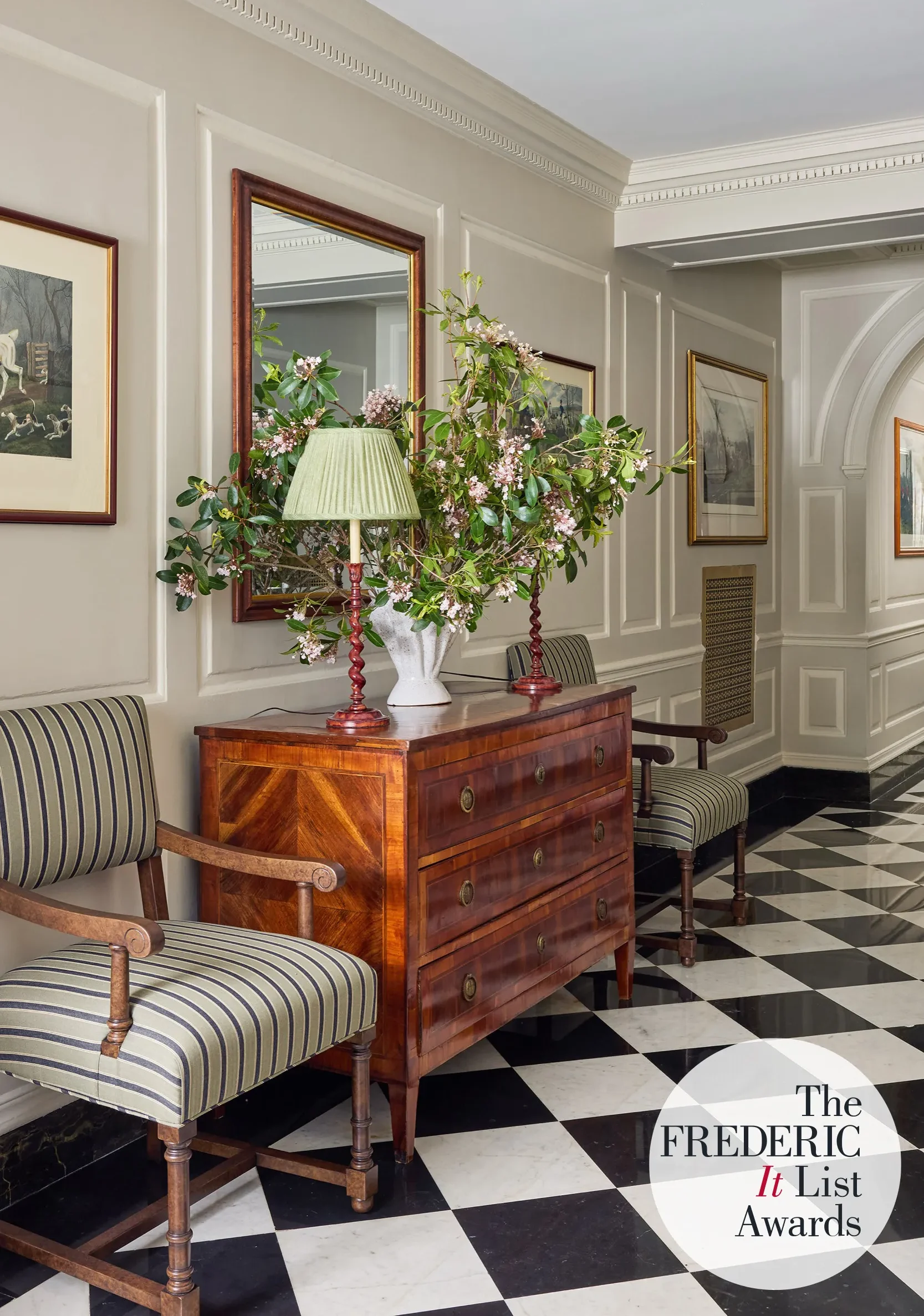
Growing up in Philadelphia, Brooke Michie was fortunate to travel often to Europe with her family. “I think being exposed to the architecture and art there from such a young age was crucial to educating my eye,” she says. After working for Victoria Hagan, Timothy Whealon, and Tham Kannalikham, she’s developed a classic, refined style that shines in projects like an early 1700s home in Connecticut or a coastal home in St. Simons Island, Georgia. “Every room is made up of thousands of little decisions,” she explains. “I am a deep thinker and deep feeler, and I think this comes across in my rooms.”
-
KIRSTEN FRANCIS -
Pieter Estersohn -
KIRSTEN FRANCIS

HOW DO YOU WANT CLIENTS TO FEEL IN THEIR HOME? I joke that my home is my exoskeleton—home is an extension of self. Clients should feel absolutely and unapologetically themselves at home.
WHAT DO YOU COLLECT AND WHY? I tend to buy tableware obsessively. I think because it doesn’t take up too much room (important in NYC). I also love a statement coat.
What’S your dream project? A Grade I English country home with a trusting client.
CLAES DALÉN
STOCKHOLM
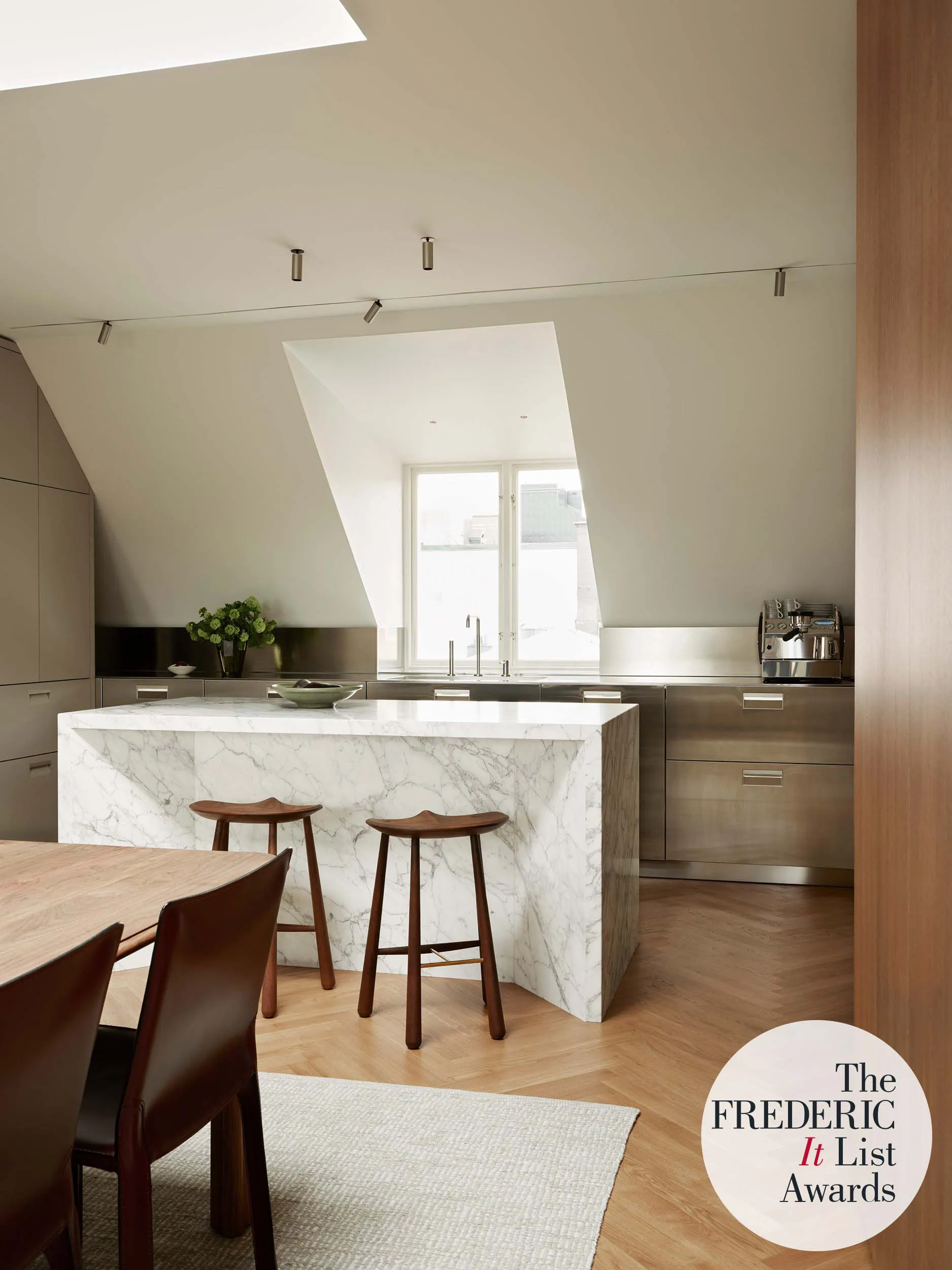
Claes Dalén likes to describe his design philosophy as “midimalism”— a balance between minimalism and maximalism. “I love color, texture, and objects too much to embrace strict minimalism, yet I’m always striving to create calm, uncluttered interiors,” he explains. That approach has served him well, especially when breathing new life into centuries-old Stockholm homes through modern forms and natural materials. “So much of the architecture already carries a strong sense of identity and history,” he says. “I enjoy building upon those qualities—preserving what makes a space special while adapting it to contemporary living and the client’s lifestyle.”
-
KRISTOFER JOHNSSON -
KRISTOFER JOHNSSON
WHERE DO YOU FIND INSPIRATION? While Stockholm has a strong design culture, it is also a relatively small design scene. I travel frequently, read extensively, visit museums and exhibitions, and spend a great deal of time with books and magazines. Inspiration often comes from unexpected places outside of interior design itself.
What’s a design rule you like to break? The idea that all materials must match perfectly. While a more unified palette can work beautifully in smaller spaces, larger interiors often benefit from greater contrast and layering. Patinated brass lighting paired with nickel fittings, or a vintage mahogany desk in an oak-clad library, creates depth, character, and a sense of collectedness that feels far more interesting than a perfectly coordinated scheme.
WHAT’S THE LAST THING YOU BOUGHT FOR YOUR HOME? An artwork by the late Finnish artist Iria Leino. It took a long time to find the final piece for our bedroom, but once it was in place, I knew it had been worth the wait. The right artwork has an incredible ability to complete a room.
DANIELETTE DENNIS
NEW YORK CITY
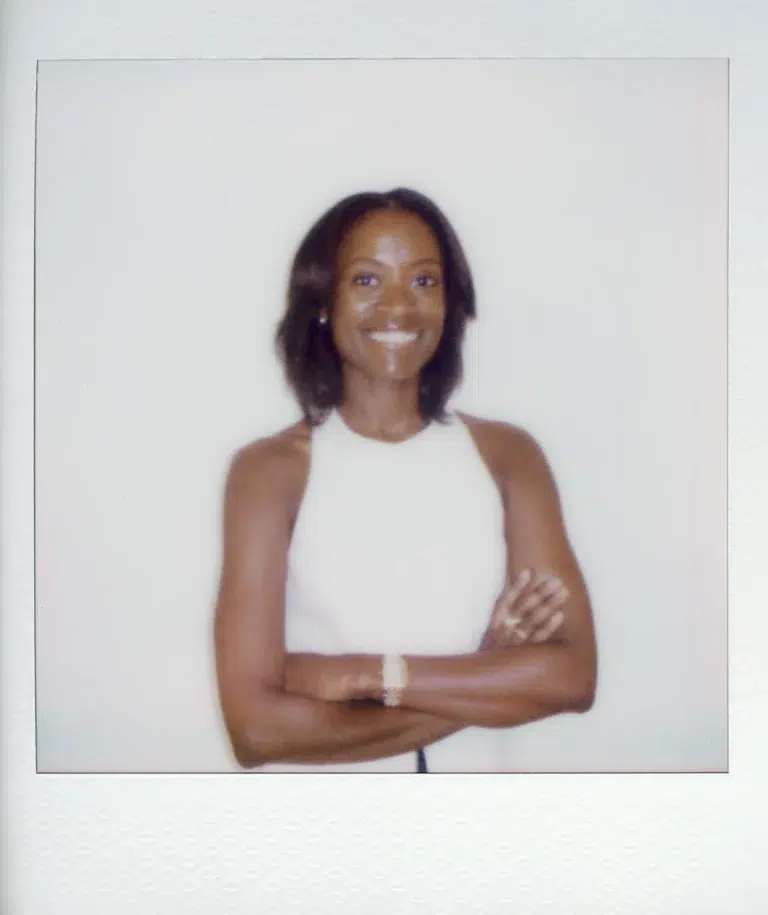
It was while working in fashion P.R. that Danielette Dennis was first exposed to the world of interior design. “It sits at the intersection of so many things I love: history, art, architecture, textiles, and the way people live,” she explains. After cutting her teeth with Mark Cunningham, she launched her own firm in 2024. “What binds my work is a sense of ease, bringing seemingly disparate elements into conversation with one another,” she says. Travel and art continue to influence her practice: “I like the feeling of being somewhere unfamiliar—a different language, or even the slight discomfort that comes with navigating a different way of life. Both challenge me to see beyond my own experience.”
-
MAX BURKHALTER -
Max Burkhalter
What’S THE BEST CAREER ADVICE YOU’VE RECEIVED? One of the best pieces of advice I’ve received is to be patient—with the creative process, with building a career, and with finding my voice as a designer. Meaningful work takes time, and I’ve found that the most enduring projects are the result of careful thought and collaboration.
WHAT DO YOU COLLECT AND WHY? I collect contemporary Black art, with an emphasis on emerging and mid-career artists. I’m particularly drawn to figurative work that captures Black bodies in moments of joy, rest, and play—scenes that feel evocative yet rooted in everyday life.
HOW DO YOU DEFINE LUXURY? To me, luxury is the freedom to experience life exactly as you wish, with the people you love, surrounded by things that bring you joy. Ultimately, it’s having the time and space to be fully present.
FRANCES JACKSON WILEN
ATLANTA
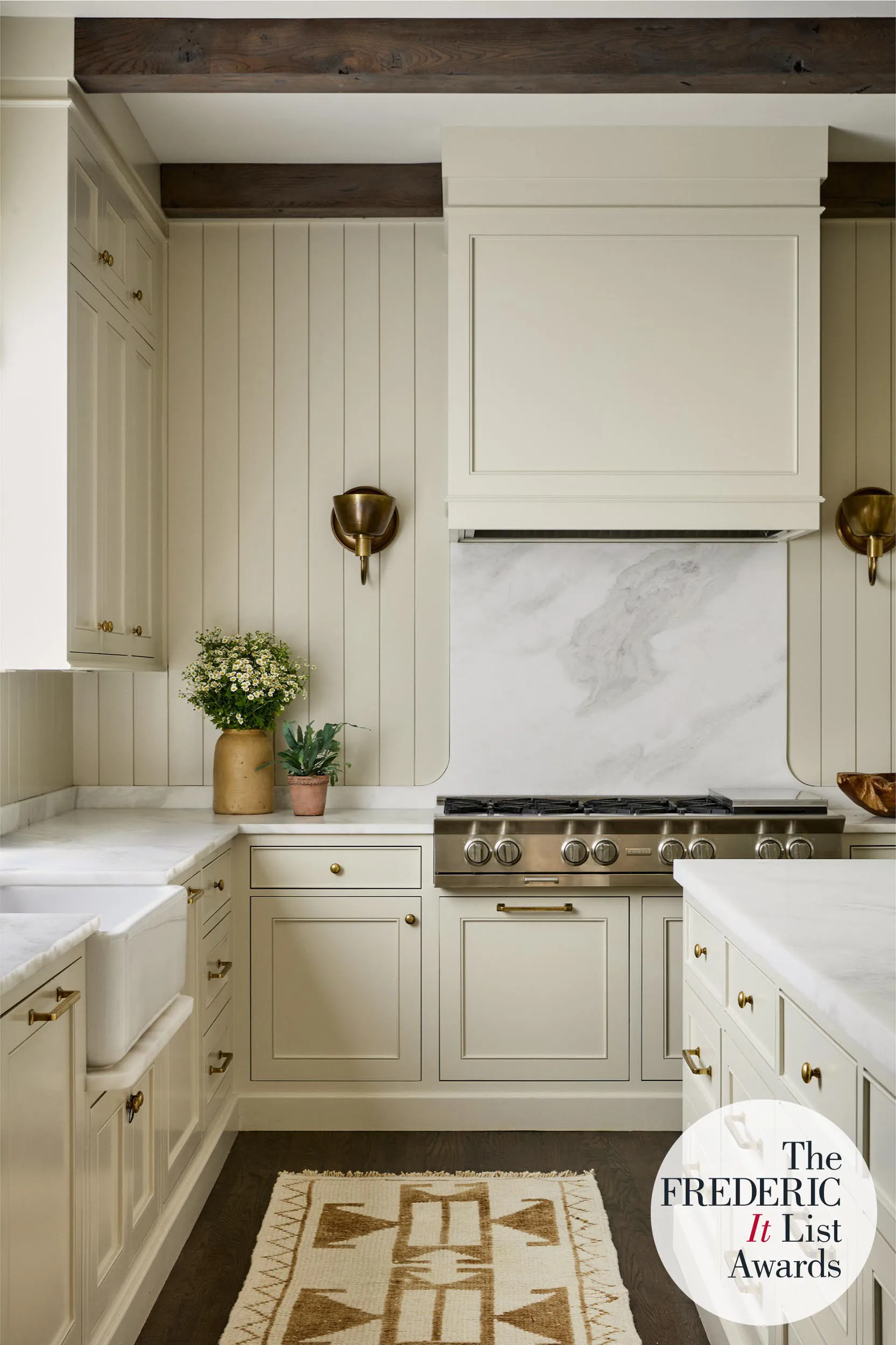
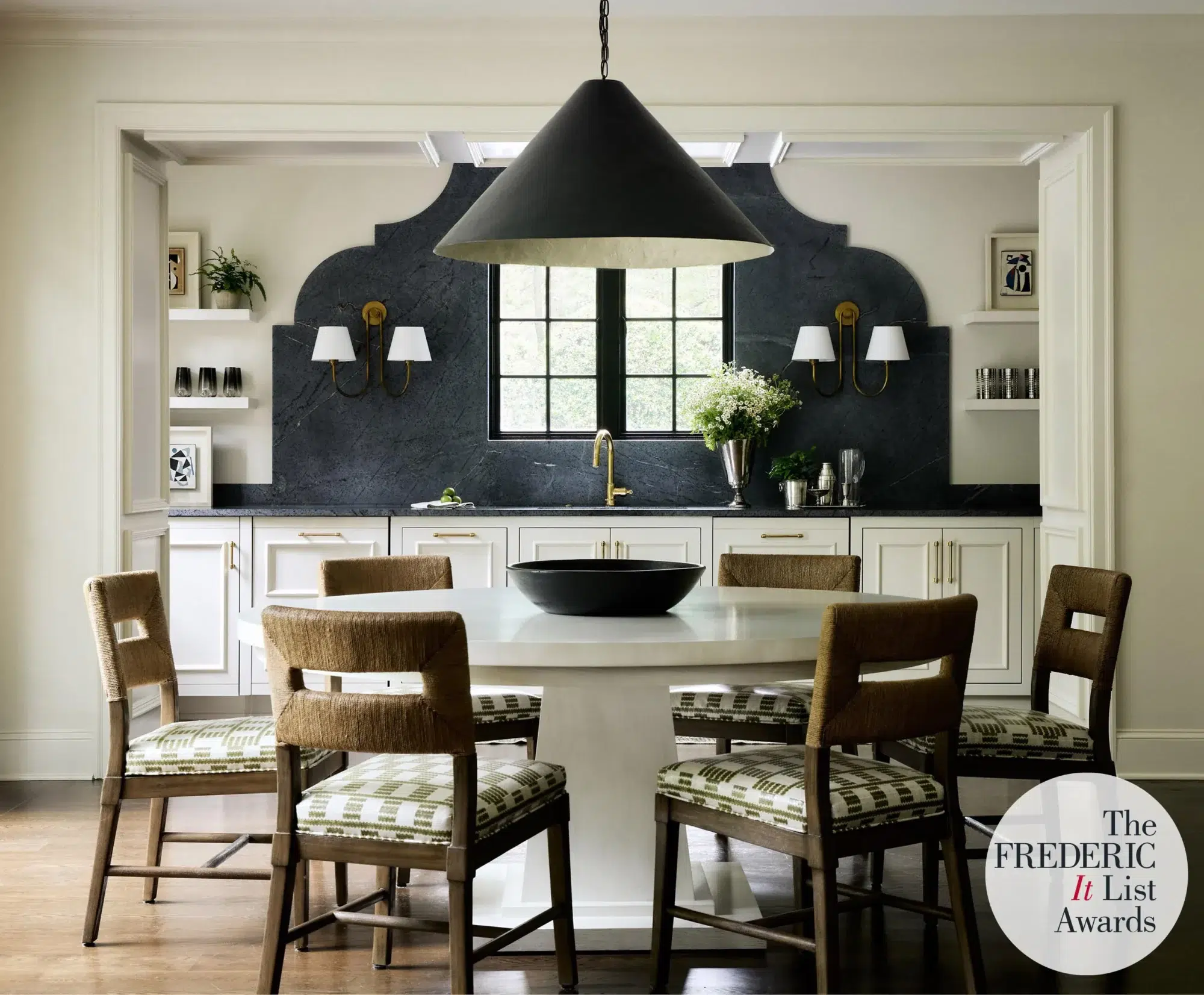
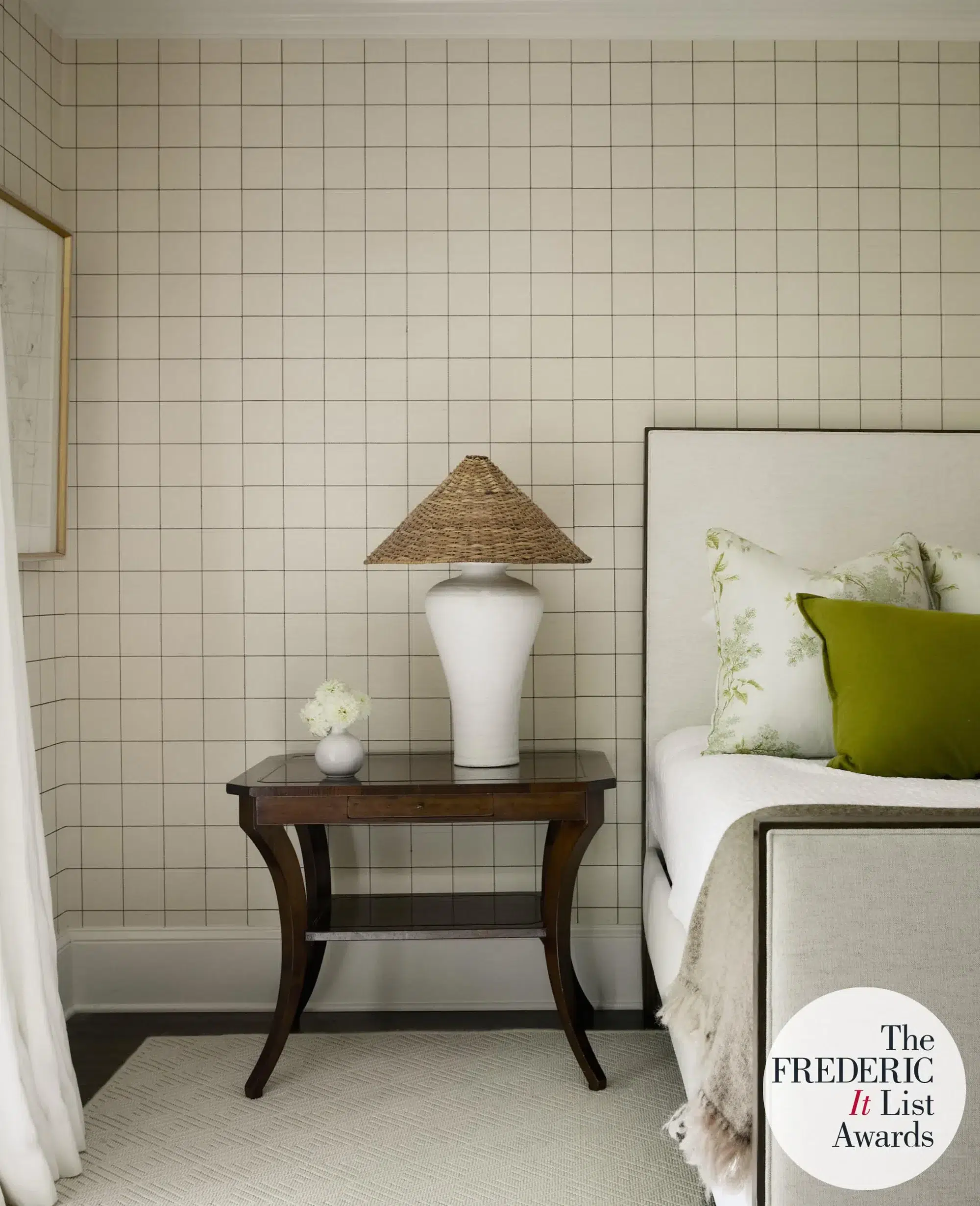
Though her work leans clean-lined, classic, and composed, “I strive to embrace risk in my design work,” says Frances Jackson Wilen. “Some of my best projects have come from being challenged with difficult tasks that push me beyond my comfort zone and encourage innovative thinking.” Wilen studied interior design in college and went on to work for firms in Denver and Atlanta, including Anna Wooten and Beth Webb. “I’m drawn to spaces that feel rich, inviting, and full of personality,” she says. “Whether through color, texture, or thoughtful lighting, I believe even the smallest rooms can make a bold statement while remaining functional and beautiful.”
-
ELLIOTT FUERNISS -
ELLIOTT FUERNISS -
ELLIOTT FUERNISS
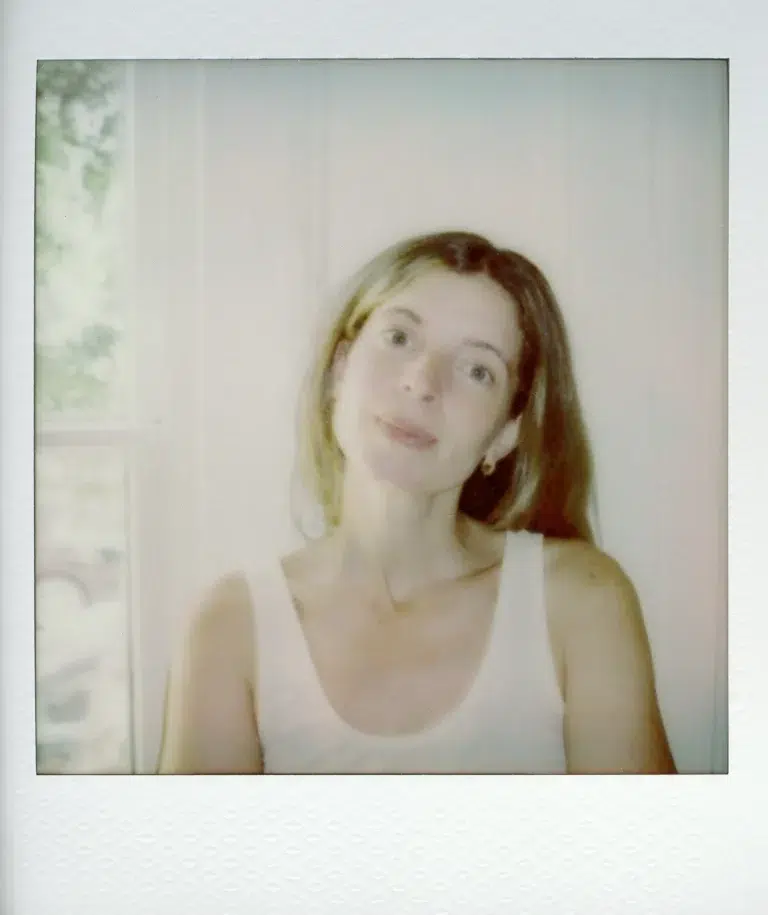
Where do you find inspiration? Travel, vintage coffee table books, and in conversation with other designers or creatives.
WHAT’s A DESIGN RULE YOU LIKE TO BREAK? I don’t believe great design has to follow rigid rules. Not every metal finish in a room needs to match, and not every small space has to be light and bright. In fact, I often embrace contrast, layering different materials and finishes to create depth, character, and visual interest. I’m especially drawn to moody spaces that feel rich, inviting, and full of personality.
WHAT’S THE LAST PIECE YOU BOUGHT FOR YOUR HOME? A ceramic flower sculpture I found in Big Sur from a local artist. I had just gotten engaged a few days earlier, and it felt like the perfect symbol of a new beginning.
GEORGIE STOGDON
LONDON
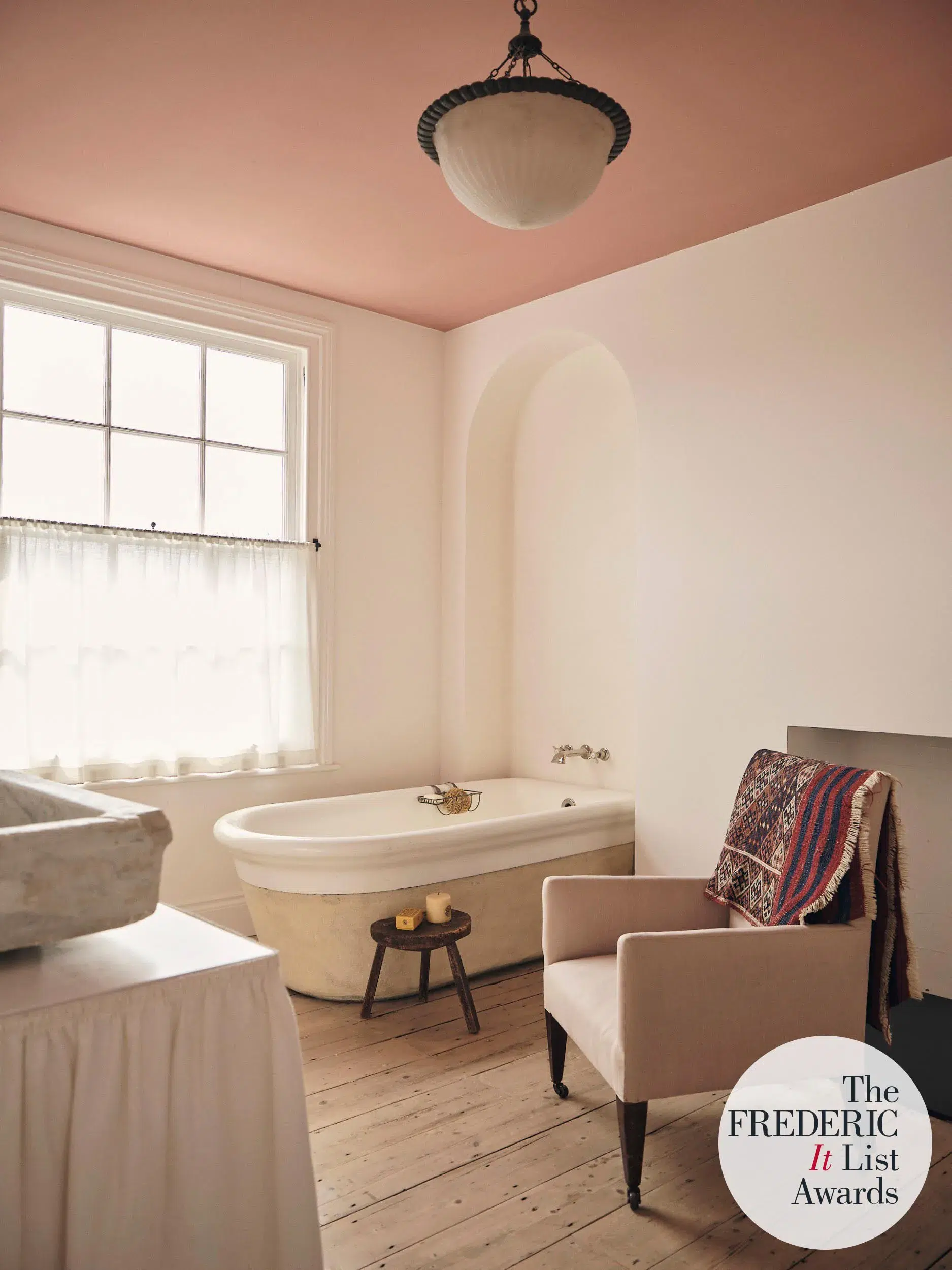
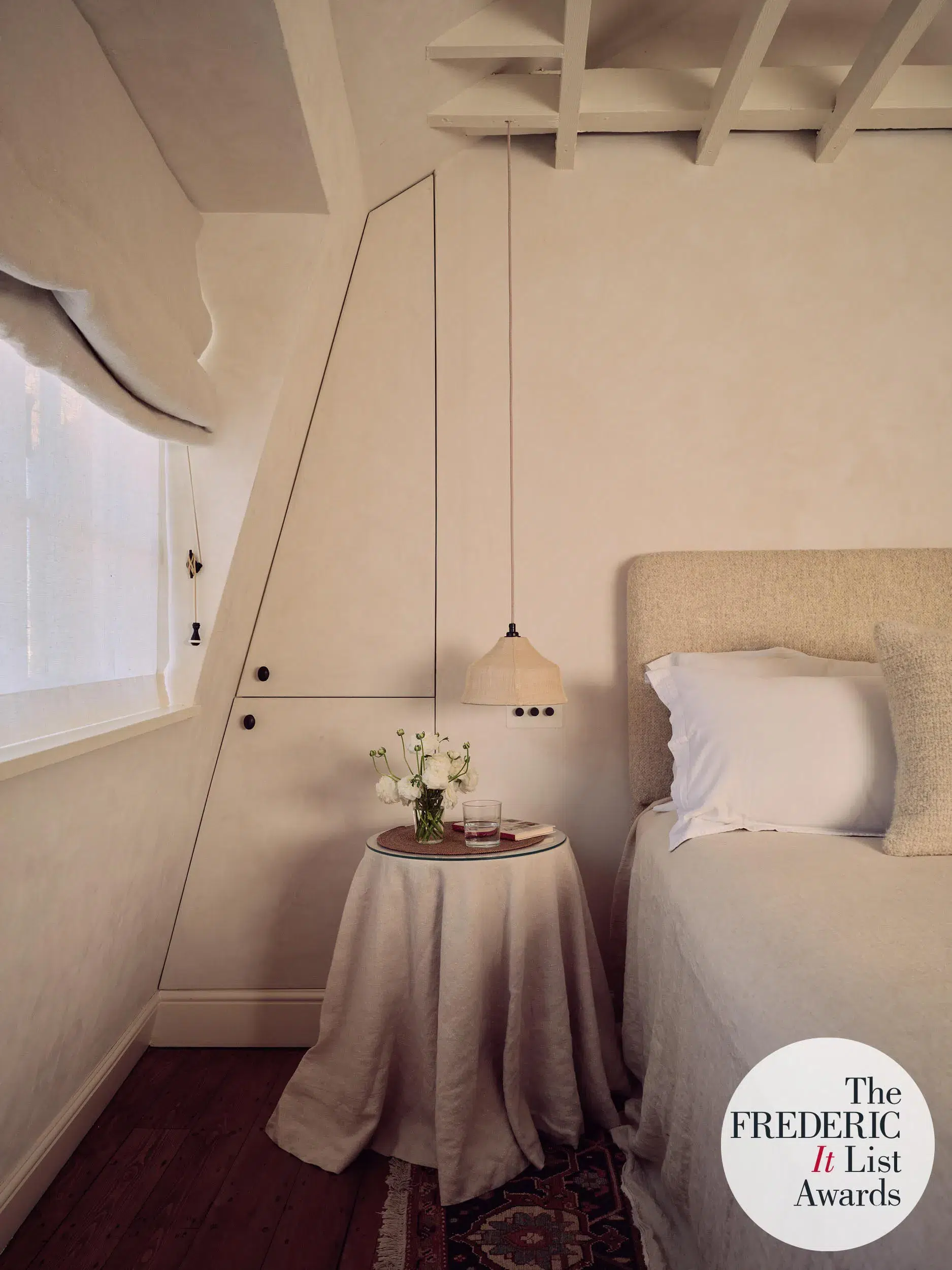
While her work is infused with historic character, Georgie Stogdon’s design trajectory has been shaped by more high-tech forces. “I was working in the charity sector, which I loved, but I was desperate for a truly creative outlet,” she recalls. “My mum eventually became so exasperated by my complaining that she started Googling jobs for me.” As luck would have it, one of those jobs was an assistant at Rose Uniacke—and Stogdon got it. She went on to work for Steven Rodel, and in 2021, struck out on her own. Her first big solo project, a tech executive’s apartment in New York’s West Village, came courtesy of an Instagram message. “I oversaw the entire installation on Zoom—but it was a huge success!”
-
JAKE CURTIS -
Jasper Fry -
Jasper Fry
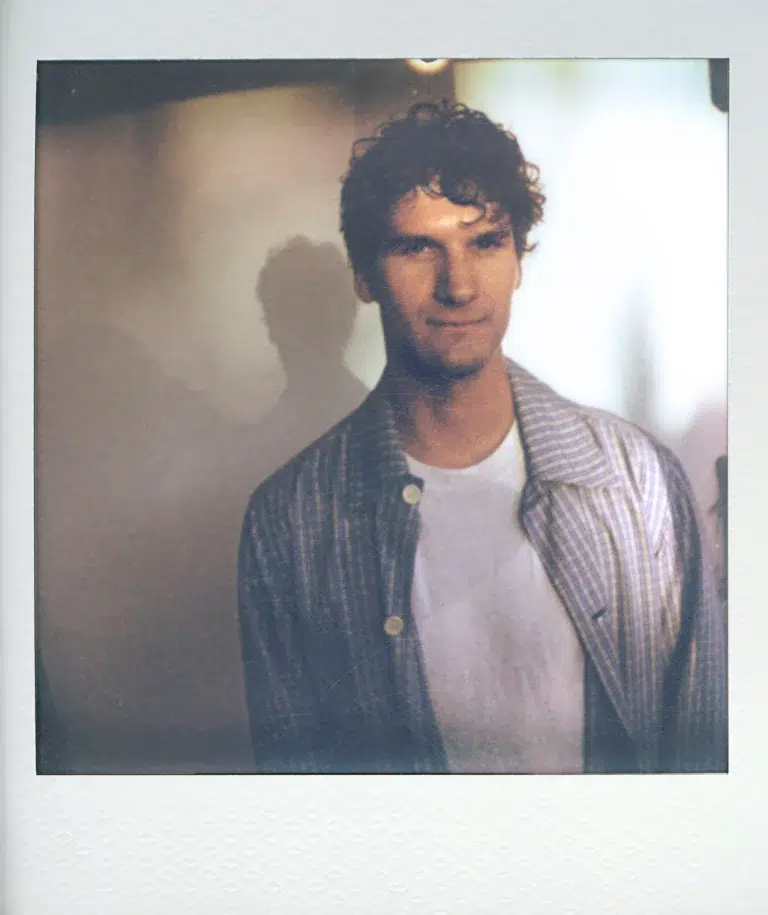
HOW WOULD YOU DESCRIBE YOUR STYLE? I’d call it calm and characterful but with a lot of restraint. I love pairing old and analogue things with clean lines. It’s a quiet palette but always with a twist or a flourish.
What’S THE LAST THING YOU BOUGHT FOR YOUR HOME? I recently found a really imposing, slightly unexpected 1970s seahorse sculpture at the Paul Bert market in Paris. My mum and I have a long-running running joke about seahorses, so there was a lovely bit of sentimentality to it that I couldn’t resist.
HOW DO YOU DEFINE LUXURY? Being able to make a cup of tea on every floor of your house!
MICHAEL JOERRES
LOS ANGELES
For Michael Joerres, the best interiors are shaped by time. “I tend to ignore the idea that every room needs to look finished from day one,” he says. “I encourage clients to leave room for discovery, whether that’s finding the right antique, adding artwork gradually, or allowing a space to develop naturally.” The designer, who spent six years working with Mark D. Sikes before embarking on a solo career, relies on that ethos to take projects like a Wisconsin lake house or California wine country ranch or his own Los Angeles home to the next level. “To me, true luxury isn’t about having more; it’s about having the right things,” he says. “It’s the ability to prioritize craftsmanship, individuality, and lasting quality over trends or instant gratification.”
-
Laura Resen -
Kevin Brost
TELL US ABOUT A FAVORITE PROJECT. One is a ground-up home in Pacific Palisades for a family rebuilding after losing their home in the fires. We’ve been involved from the very beginning, and it’s been incredibly meaningful to help create a place that feels hopeful, personal, and built for the next chapter of their lives.
WHERE DO YOU FIND INSPIRATION? My favorite thing to do when traveling is to visit house museums and see significant architecture and the way people lived. A lot of my inspiration comes from film and I have such a reverence for production designers who can nail a setting with emotional impact.
WHAT’S YOUR DREAM PROJECT? The restoration and decoration of a David Adler country house. He’s from my hometown and I grew up admiring his work in the Lake Forest area and beyond. Adler’s homes have extraordinary proportions, architectural detail, and a sense of permanence that would be a dream to work with.
SAMANTHA FEUER
MARYVILLE, TENNESSEE
When it comes to mastering the art of hospitality, there might be no better school than Blackberry Farm, the rural Tennessee resort known for its easy elegance. And it’s no surprise that after spending 10 years working for the property’s interiors offshoot, Blackberry Farm Design, Samantha Feuer has built her own practice, Norris Studio, around creating spaces that feel welcoming from day one. “We design for the way people actually live. Every room should invite you to settle in—curl up on the sofa, linger over dinner, read a book, or spend hours talking with friends,” she says. “I love creating spaces and thinking, ‘This is where they’ll drink their morning coffee’ or ‘This is where they’ll have a glass of wine at the end of the day.’”
-
ETHAN HERRINGTON -
ETHAN HERRINGTON

WHAT’S A DESIGN RULE YOU LIKE TO BREAK? Probably a lot! I don’t really believe in rules. I think some of our best-designed spaces have perfect imperfections and feel lived-in and loved. However, I’m currently into not hiding TVs—everyone has one, let’s just let it be.
What DO YOU COLLECT AND WHY? Chinoiserie. Over the years I’ve collected a variety of pieces. I love the colors they bring to a space and the individuality of each object; no two pieces are ever quite the same.
HOW DO YOU DEFINE LUXURY? Effortless elegance, comfortable, inviting.
TODD HELLMUTH
LOS ANGELES
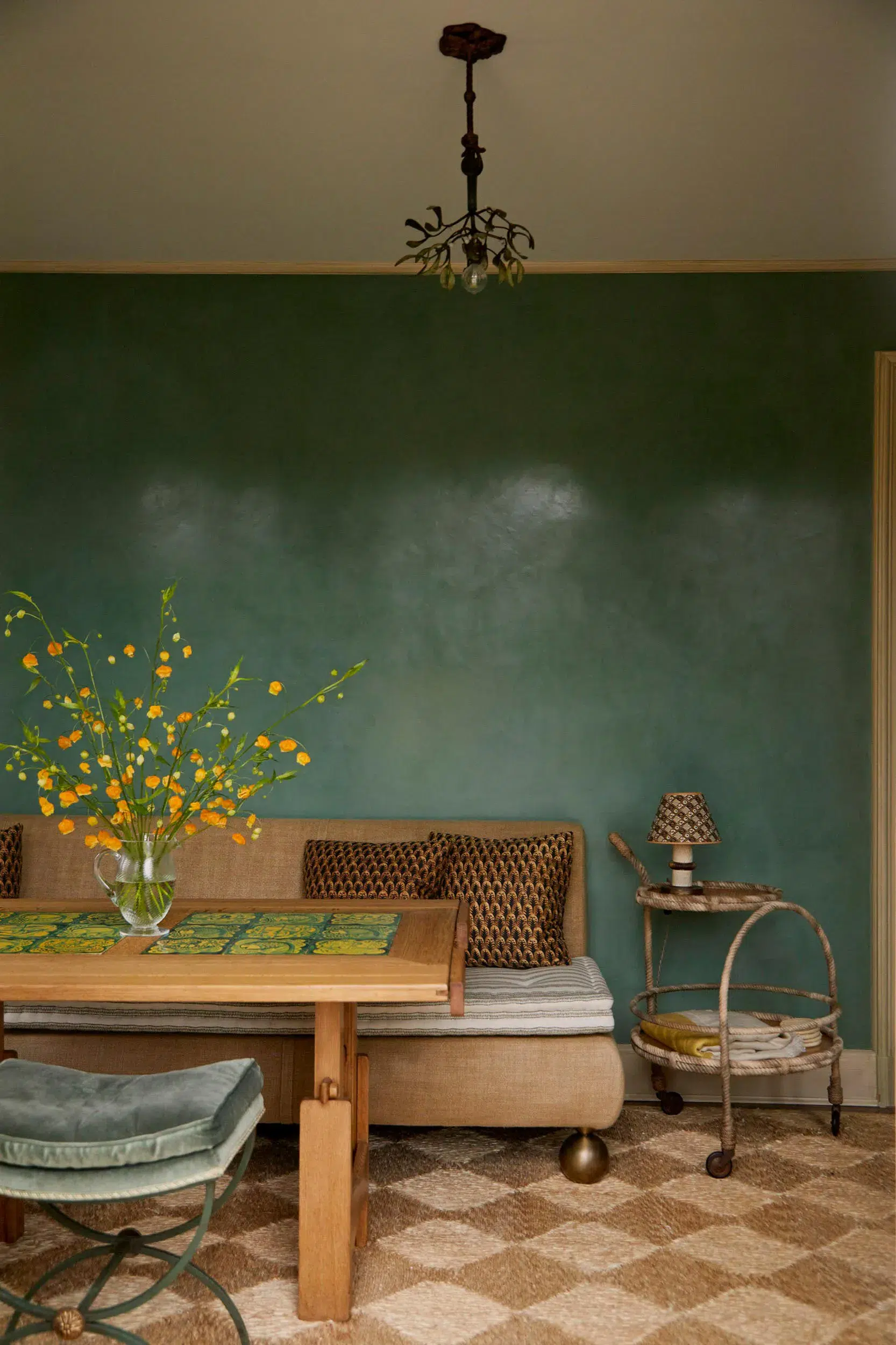
Design has always played a role in Todd Hellmuth’s life: He grew up in a home with interiors by Melvin Dwork, a celebrated decorator who was also his grandfather’s cousin—and, eventually, became Hellmuth’s mentor. “He taught me—even before I had the vocabulary for it—the importance of proportion and furniture placement, and how unexpected juxtapositions can give a room its character,” he says. Today, after training with firms like Studio Sofield, Thierry Despont, and Ralph Lauren, Hellmuth continues that legacy under his own name, blending historical references with modern restraint. “I strive to create spaces that reveal themselves gradually rather than all at once,” he says. “I want clients to feel peaceful and at ease in their homes.”
-
BILLAL TARIGHT -
BILLAL TARIGHT -
BILLAL TARIGHT
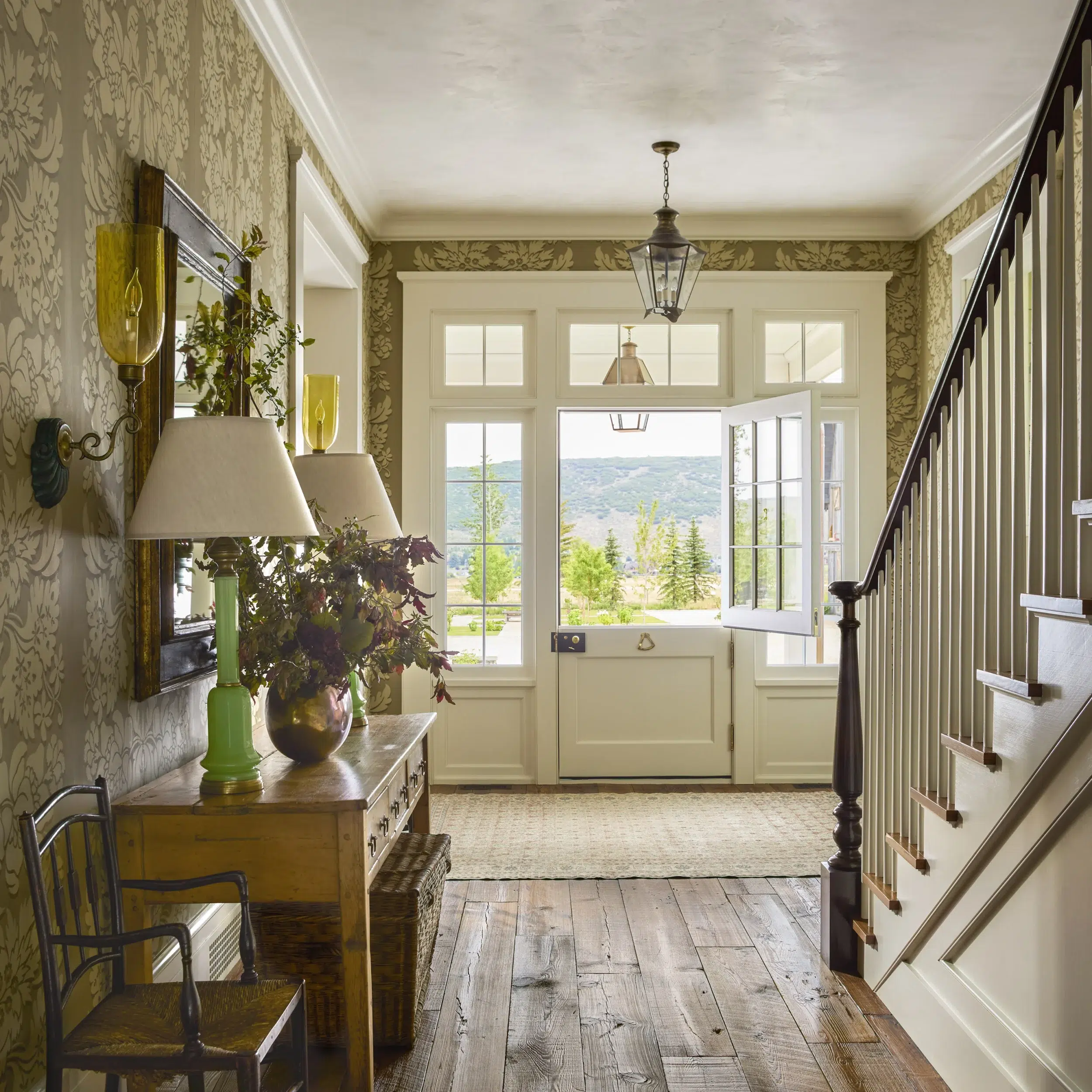
WHAT’S THE BEST CAREER OR DESIGN ADVICE YOU’VE RECEIVED? No client ever thanks you for saving them money.
WHAT’S THE LAST THING YOU BOUGHT FOR YOUR HOME? I recently purchased a painting by James Morse that’s in storage while I renovate my home. It’s an oversized blue winter landscape that I find contemplative and evocative. It reminds me of childhood winters in Chicago.
WHAT ’S YOUR DREAM PROJECT? A renovation of a 1940s rationalist home in Milan.
THIS ARTICLE ORIGINALLY APPEARED IN VOLUME 22 OF FREDERIC MAGAZINE. CLICK HERE TO SUBSCRIBE!